Roof deck and structure
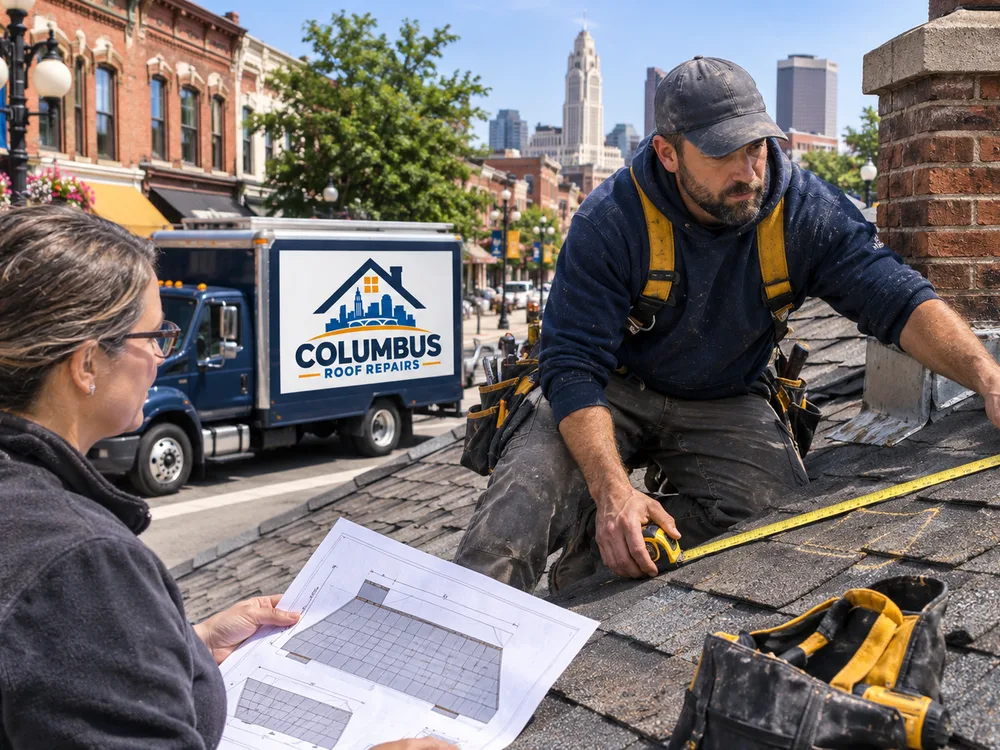
The contractor examines the deck condition, roof geometry, slopes, and transitions before recommending an installation approach.
Serving Columbus, Ohio & surrounding areas
Calls answered around the clock
Metal roofing in Columbus, Ohio
One call connects you with a local metal roofing contractor who serves your area and can discuss the roof directly with you.

Residential metal roofing
Metal roofing Columbus Ohio homeowners consider usually starts with a practical question: is the existing roof nearing the end of its service life, or is a metal roof part of a larger exterior update? A local contractor can look at the roof pitch, valleys, penetrations, flashing, drainage path, attic ventilation, and roof deck before discussing suitable systems. Standing seam panels, exposed-fastener panels, and metal shingles each install differently and suit different roof shapes.
Columbus homes range from older houses in Clintonville and German Village, where rooflines may include dormers and chimneys, to newer homes in Dublin and Grove City with broad, more open roof planes. Those details affect panel layout, flashing work, and where panels need to be cut around valleys or wall transitions. Columbus weather also brings rain, wind, snow, and repeated temperature changes, so drainage design and expansion allowance matter as much as the panel material itself.
Columbus Roof Repairs connects homeowners with local roof companies around Columbus, OH for direct conversations about residential roofing work. One call connects you with a local contractor, and you talk with that contractor directly about the roof, the available material options, and the next step.
Roof planning details
The contractor examines the deck condition, roof geometry, slopes, and transitions before recommending an installation approach.
Standing seam metal roofing uses concealed fasteners and raised seams. Other profiles use visible fasteners or shingle-shaped panels.
Chimneys, skylights, vent pipes, valleys, eaves, and sidewalls need properly planned flashing and water-shedding layers.
Attic airflow, insulation placement, and signs of moisture help determine whether roof ventilation work belongs in the scope.
A direct sequence
Enter your ZIP code and you are connected with a local metal roofing contractor who serves that area.
You talk with the contractor about the roof's age, visible concerns, roof shape, and the type of metal roof you are considering.
The contractor can inspect the roof, deck access, drainage details, and existing materials before explaining the work involved.
The contractor provides the quote and scope. You decide whether the material, schedule, and proposed work fit your plans.
Residential roof details

Answers before you call
A standing seam metal roof can suit many homes, but the contractor should first review the roof pitch, panel runs, valleys, chimneys, and drainage details. Concealed fasteners and raised seams are common reasons homeowners consider this profile, while complex rooflines may require more custom flashing and panel cuts.
Sometimes metal roofing can be installed over an existing roof covering, but the contractor needs to assess the current roof layers, deck condition, local requirements, and the condition of the existing surface. Removal may be recommended when the deck needs repair or existing materials interfere with a sound installation.
The work typically includes protecting the work area, removing existing materials when required, addressing roof deck concerns, installing underlayment and flashing, then fitting the metal panels and trim. The contractor can explain how access, debris handling, gutters, skylights, and landscaping are addressed for your property.
Ask which panel profile fits your roof shape, how valleys and penetrations will be flashed, whether deck repairs are expected, how ventilation will be handled, and what warranty terms apply to the material and installation. The contractor who reviews your roof can give answers tied to its actual condition.
Call, enter your ZIP code, and you are connected with a local contractor who serves that ZIP. You speak with the contractor directly and decide what happens next.
Columbus metal roofing connection
If you are weighing a metal roof replacement, standing seam panels, or another residential metal roofing option, call and get connected with a local contractor who serves your area. Discuss the roof directly and decide whether to move forward.