Roof surface condition
The contractor can look for cracked, curled, missing, blistered, or slipping shingles, along with exposed nail heads and worn ridge materials.
Serving Columbus, Ohio & surrounding areas
Calls answered around the clock
Roof inspection in Columbus, Ohio
One call connects you with a local roofing contractor who can inspect your roof and discuss the findings directly with you.
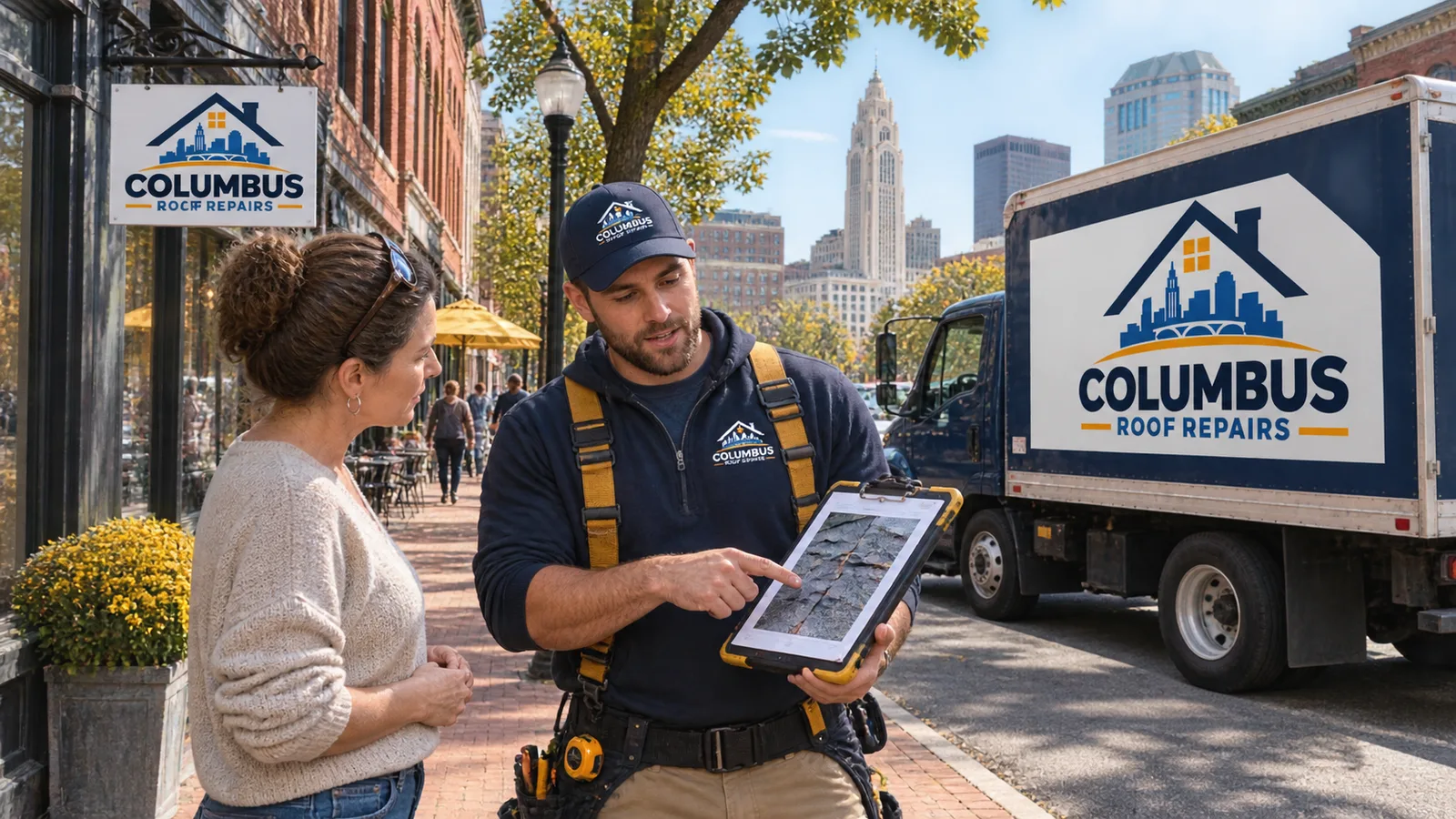
Residential roof inspection
A roof inspection Columbus OH homeowners arrange can help identify worn shingles, damaged flashing, loose ridge caps, aging sealant, drainage problems, and evidence of water entry before a small issue spreads into the roof deck or attic. A contractor typically looks at the roof covering, valleys, vents, pipe boots, chimney flashing, skylight flashing, gutters, and visible interior signs such as ceiling stains or damp attic sheathing.
Central Ohio weather puts roofs through winter freeze-thaw cycles, spring rain, summer heat, and wind-driven storms. Granule loss, lifted shingle tabs, exposed fasteners, cracked sealant, and backed-up gutters can each point to a condition worth discussing with a roofer. Older homes in neighborhoods such as Clintonville and German Village may also have rooflines with dormers, chimneys, transitions, and steep sections that need close attention.
Columbus Roof Repairs connects callers with roof companies throughout Columbus, OH who handle roof inspections in the area. One call connects you with a local contractor, and you talk with that contractor directly about the roof and the next step that makes sense for the property.
Inspection points
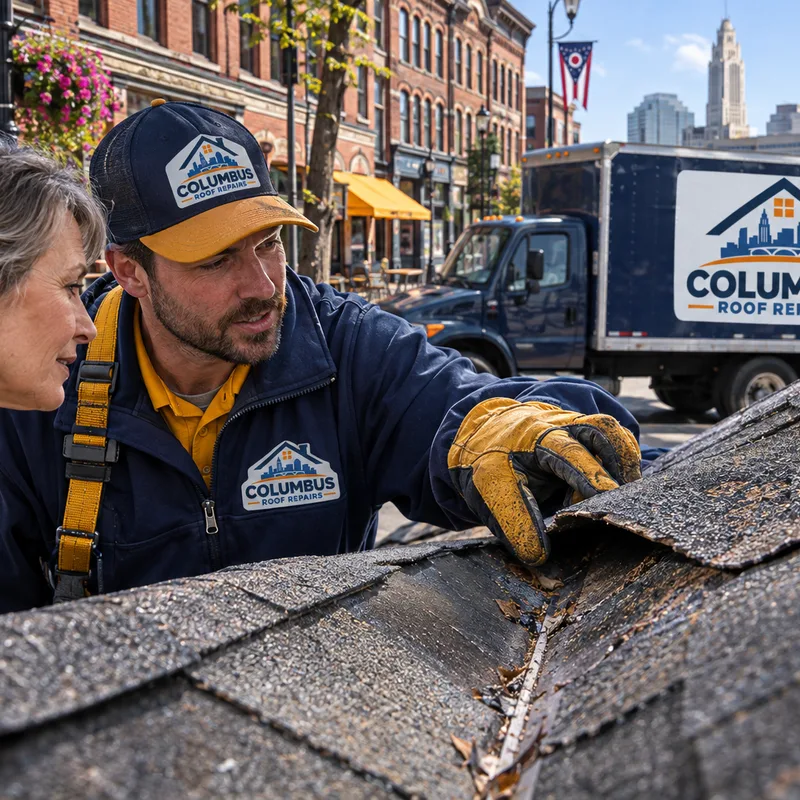
The contractor can look for cracked, curled, missing, blistered, or slipping shingles, along with exposed nail heads and worn ridge materials.
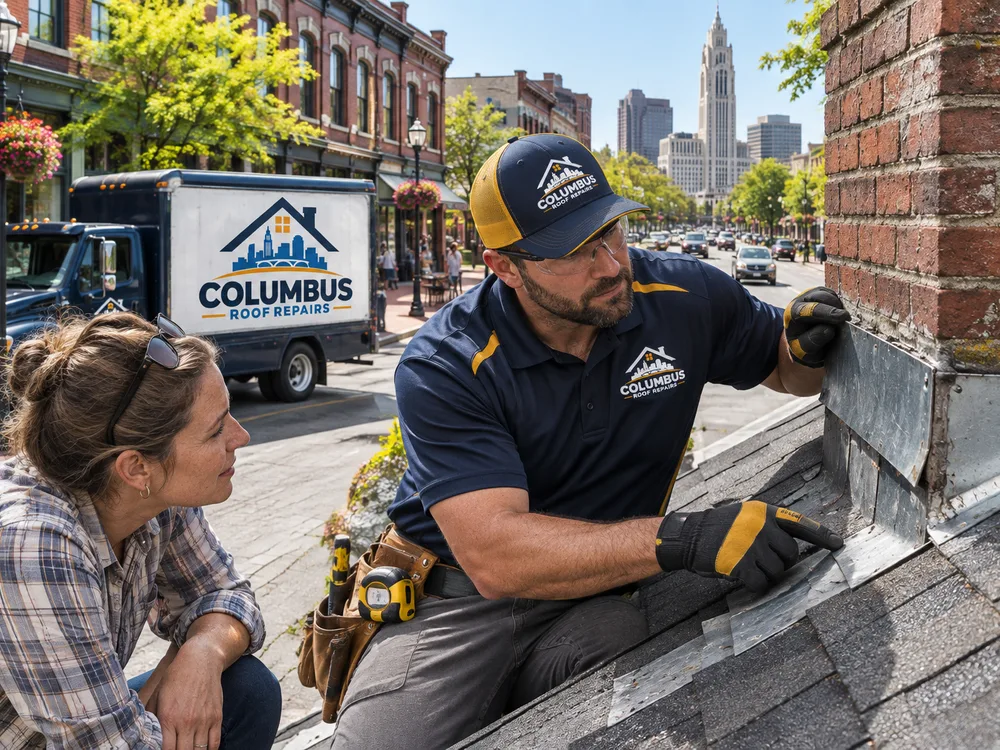
Chimneys, wall intersections, vent pipes, skylights, and valleys are common places for flashing and sealant problems to develop.
Gutters, downspouts, roof edges, and valleys are checked for debris buildup, overflow marks, and water paths that can affect the roof system.
Visible staining, damp insulation, daylight at roof penetrations, and wet roof decking can help narrow down where moisture may be entering.
A direct sequence
Call when you want to discuss a roof inspection with a local contractor.
Enter your ZIP code and you are connected with a local roofing contractor who serves that area.
Discuss the condition you have noticed, the property, and what the contractor recommends for an inspection.
The contractor explains their approach, provides the quote for any work they recommend, and you decide whether to proceed.
Residential roof details
Answers before you call
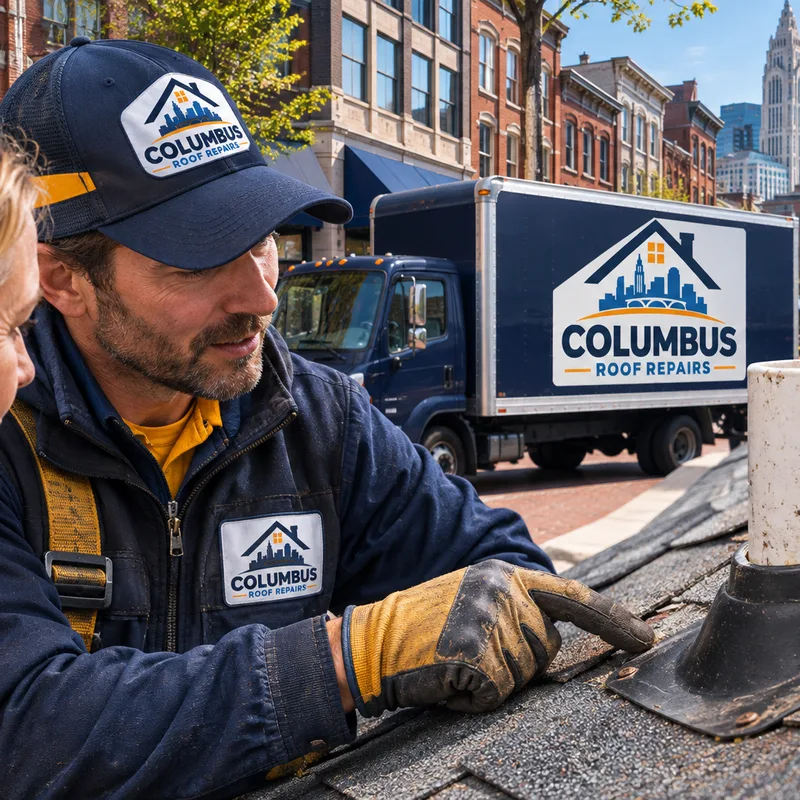
A roof inspection usually includes a visual review of shingles or other roof covering, flashing, valleys, penetrations, roof edges, gutters, and visible signs of moisture in the attic or interior. The contractor can explain which areas need attention and whether the condition points to repair work, maintenance, or a broader roofing discussion.
An inspection is sensible when wind, falling branches, hail, or blown debris may have affected the roof. The contractor can look for lifted or missing shingles, damaged flashing, punctures, displaced ridge caps, and debris that may be blocking drainage paths.
Mention any ceiling stains, drips, visible shingle damage, gutter overflow, attic moisture, recent storm exposure, or areas where the roof looks uneven. If the roof has a chimney, skylight, dormer, or low-slope section, those details can help the contractor discuss the inspection.
Yes. A contractor can assess the condition of the roof covering, flashing, decking clues, and recurring leak points, then explain whether targeted repair work may address the issue or whether the roof condition calls for a larger conversation. The contractor provides the quote, and you decide whether to move forward.
Call, enter your ZIP code, and you are connected with a local roofing contractor who serves your area. You talk with the contractor directly about the property and decide what happens next.
Columbus roof inspection connection
Call and get connected with a local roofing contractor who serves your area. You can discuss the roof condition directly and decide whether an inspection is the next step.